How to Support Healthy Lung Function After 50: A Practical Guide
Why Breathing Changes as You Get Older
It's a common experience: a flight of stairs that used to be nothing now leaves you a little more out of breath. That's usually not in your head. A few things happen gradually with age:
- Lung tissue loses some elasticity. The tiny air sacs (alveoli) that exchange oxygen become slightly less springy, which can reduce how much air you move with each breath.
- Breathing muscles can weaken. The diaphragm and the muscles between your ribs do the physical work of breathing, and like other muscles, they can lose some strength without regular use.
- The rib cage becomes less flexible. Changes in the joints and cartilage of the chest wall can make it harder for the lungs to expand fully.
- Years of exposure add up. Decades of everyday air pollutants, and for some people a history of smoking, leave a cumulative mark on respiratory tissue.
None of this means decline is inevitable or that nothing can be done — it just explains why "breathing like you're 30" isn't really the right goal after 50. The realistic goal is supporting the lungs and breathing muscles you have.
Early Signs Worth Paying Attention To
Most people don't wake up one day with a "lung problem" — the changes show up gradually, in everyday moments:
- Getting more winded than usual climbing stairs or during a brisk walk
- Needing more time to catch your breath after exertion than you used to
- Waking up feeling mildly congested, even without a cold
- Noticing your stamina during normal daily activities isn't what it was a few years ago
- Feeling like you're taking shallower breaths, especially when sitting for long periods
Habits That Actually Support Lung Function
You can't turn back the clock on lung tissue, but real, well-established habits support how efficiently your respiratory system works:
- Regular aerobic activity. Walking, swimming, or cycling most days trains both your cardiovascular system and your breathing muscles to work more efficiently together.
- Breathing exercises. Simple practices like diaphragmatic (belly) breathing or pursed-lip breathing can help you use your lung capacity more fully, especially if you tend to breathe shallowly.
- Avoiding smoke and pollutants. This is the single biggest lever for protecting respiratory tissue going forward — both secondhand smoke and heavy air pollution add measurable strain over time.
- Staying well hydrated. Adequate fluid intake helps keep the mucus lining your airways thin, which supports easier, more comfortable breathing.
- Maintaining good posture. Slouching compresses the chest cavity and limits how much your lungs can expand — something that matters more the more time you spend sitting.
- Keeping a healthy weight. Extra weight around the abdomen can restrict how freely the diaphragm moves, making each breath slightly less efficient.
When to See a Doctor
Age-related changes are gradual and mild by definition. See a doctor promptly, rather than waiting, if you notice:
- Sudden shortness of breath, or breathing difficulty that worsens quickly
- Chest pain or tightness, especially with exertion
- A cough that lasts more than a few weeks
- Wheezing you haven't experienced before
- Swelling in your ankles or legs alongside breathing changes
These can point to conditions that need proper diagnosis and treatment — a supplement or lifestyle change is never a substitute for that evaluation.
Where Daily Supplements Fit In
Some people look to add a daily supplement alongside these habits as part of a broader daily-wellness routine — not as a replacement for exercise, avoiding pollutants, or medical care, but as one more piece of the routine. If you're exploring that option, it's worth reading the label as carefully as you'd read anything else you put in your body: what's actually in it, in what form, and whether the claims on the box match what's printed on the supplement facts panel.
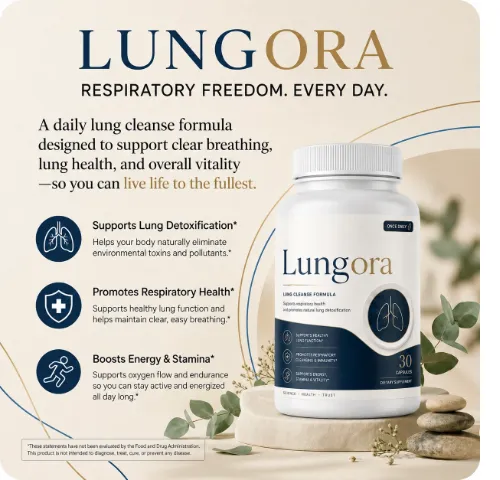
We Did That Homework for Lungora
We read the actual supplement facts panel — not just the marketing — before writing our review: what's really in it, current pricing, the guarantee, and who should skip it.
Read the Full Lungora Review →Frequently Asked Questions
Why does breathing get harder as you get older?
Lung tissue naturally loses some elasticity with age, the muscles used for breathing (like the diaphragm) can weaken, and the rib cage becomes slightly less flexible. Together, these changes mean the lungs move a bit less air with each breath, which is why stairs or brisk walks can feel harder than they used to, even without any diagnosed condition.
What are early signs of declining lung function?
Common early signs include getting more winded than usual during routine activities, needing more recovery time after exertion, waking up feeling mildly congested, and noticing your stamina isn't what it used to be. These are common with normal aging, but new or worsening symptoms are worth mentioning to a doctor.
Can you improve lung function naturally?
You generally can't reverse age-related changes in lung tissue, but you can support how efficiently your lungs and breathing muscles work through regular aerobic activity, breathing exercises, avoiding smoke and pollutants, staying hydrated, and maintaining good posture. These habits support the respiratory system you have rather than changing its underlying structure.
When should I see a doctor about breathing changes?
See a doctor promptly for sudden shortness of breath, chest pain, breathing difficulty that worsens quickly, a cough lasting more than a few weeks, or wheezing you haven't had before. These can signal something beyond normal aging and deserve proper diagnosis rather than self-treatment.